Ever wonder what magic transforms green coffee beans into the aromatic, flavorful brown beans we know and love? The art and science of coffee roasting are as intricate as they are fascinating. When you learn how coffee roasting works, you'll discover a world of chemical reactions and transformations that produce the flavors we savor. In this post, we'll delve into the science of coffee roasting and explore the stages and reactions that define the coffee roasting process.
The Journey of a Coffee Bean: From Green to Brown
The journey of a coffee bean starts long before it reaches your cup. It begins at a coffee farm, where beans are harvested, processed, and dried. Once the beans are ready, they arrive at our coffee shop as green, raw beans. These green coffee beans contain all the potential flavors that roasting will unlock. But what happens when you roast coffee?
Understanding the Coffee Roasting Process
Coffee roasting is a carefully controlled process where heat is applied to green beans, causing physical and chemical changes. Roasting involves a series of stages that develop a bean's flavor, aroma, and color. Let's break down these stages:
- Drying Phase: Green beans start with a moisture content of about 10-12%. The drying phase, which lasts around 4-8 minutes, aims to reduce this moisture. During this stage, beans heat up, but not enough to change their color.
- Maillard Reaction: As beans reach around 300°F, the Maillard reaction begins. This reaction between amino acids and sugars creates complex flavors and aromas, contributing to the bean's brown color.
- First Crack: Around 385°F, beans undergo the "first crack," an audible pop as the beans expand and release steam. This marks the transition from the earlier stages to the development phase, where flavors are intensified.
- Development Phase: After the first crack, roasters carefully manage heat to develop the desired flavor profile. This stage defines the bean's acidity, sweetness, and body.
- Second Crack: For darker roasts, beans undergo a "second crack" at about 435°F. This stage is less pronounced than the first crack but indicates the breakdown of cellulose in the bean, leading to more intense flavors.
- Cooling: Once the desired roast level is achieved, beans must be quickly cooled to halt further roasting and preserve the developed flavors.
The Science Behind Roasting
The science of coffee roasting involves more than just applying heat. It's about understanding and controlling a series of reactions and transformations:
- Endothermic to Exothermic Transition: Initially, beans absorb heat (endothermic). However, as the first crack occurs, the process becomes exothermic, meaning beans release heat. Managing this shift is key to achieving a consistent roast.
- Caramelization: As roasting progresses, sugars within the beans caramelize, contributing sweetness and complexity. Properly managing caramelization is crucial for balanced flavors.
- Oil Migration: During roasting, oils from within the bean migrate to the surface, impacting flavor and aroma. Darker roasts exhibit more surface oils.
- Acidity Reduction: Roasting reduces the acidity of coffee beans, creating a smoother taste. However, too long of a roast can result in a loss of desirable acidity.
From Roaster to Cup
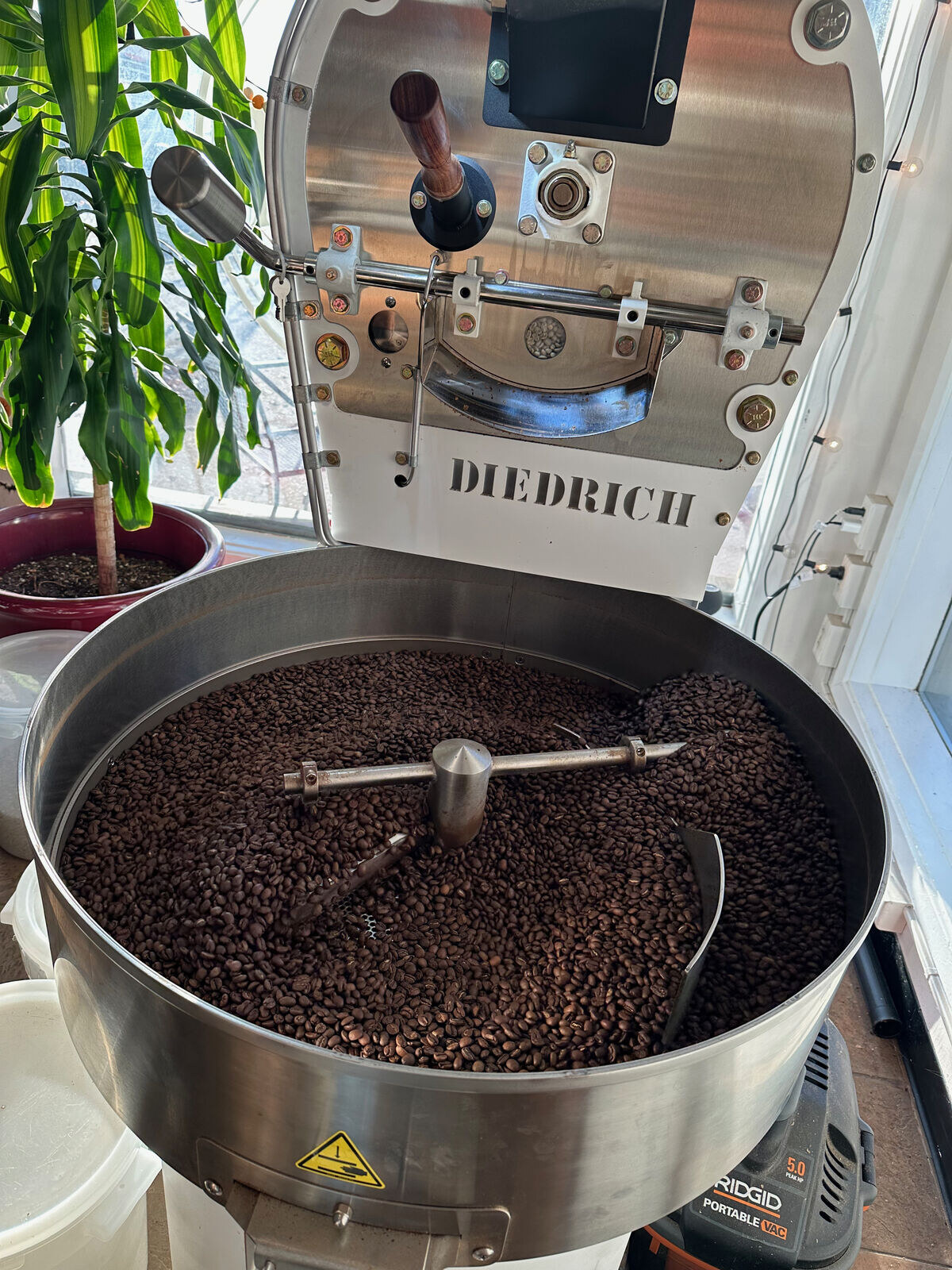
The science of coffee roasting is a balance of art and precision. At Roast Coffee Company, we utilize our trusty Diedrich roaster to meticulously control each stage of the process, ensuring our beans are roasted to perfection. Whether you prefer the full-bodied notes of our Brazil Cerrado or the bright, clean taste of Costa Rica Tarrazú, every batch is crafted with care.
Experience the Difference
At Roast Coffee Company, we believe that understanding how coffee roasting works enhances your appreciation of each cup. Our coffee subscription lets you explore the diverse flavors of our expertly roasted beans delivered straight to your door. Each sip is a testament to the meticulous science and art that go into every roast.
Ready to experience the unparalleled quality of fresh-roasted coffee? Check out our coffee shop to order your favorite roast or try something new. We ship nationwide, so you can enjoy our coffee no matter where you are.
- What is the science of coffee roasting? Coffee roasting science involves applying heat to green coffee beans, causing chemical and physical changes that develop flavor, aroma, and color.
- How does the coffee roasting process work? The process involves stages such as drying, Maillard reactions, first crack, development, and cooling, each contributing to the final flavor profile.
- What happens when you roast coffee? Roasting transforms green beans into brown beans by reducing moisture, caramelizing sugars, and developing oils and flavors.
- Why is coffee roasting important? Roasting is crucial for unlocking the flavors and aromas within green beans, turning them into the delicious coffee we enjoy.
- Can I roast coffee at home? While it's possible to roast at home, achieving consistent, high-quality results typically requires specialized equipment and expertise found in professional coffee roasting.